
What to Do in Istanbul: A Complete 3–4 Day Travel Guide (With Culture, Food & Local Rhythm)

Istanbul is not a city you “tick off.” It is a city you absorb. Spread across Europe and Asia, built on layers of empire and trade, and energized by modern street life, Istanbul delivers a travel experience that feels both monumental and intensely human. One moment you are standing under domes that shaped architectural history; the next you are negotiating in a market lane filled with lamps, spices, and the sound of daily commerce.
If you are planning your trip and wondering what to do in Istanbul, the key is to combine the essential landmarks with neighborhoods, food culture, and a few deliberate pauses. Istanbul can be intense, so the smartest itinerary is not the one that crams the most sights into a day, but the one that balances highlights with breathing room. This guide is designed for a 3–4 day visit, but it scales easily if you stay longer.
Start in Sultanahmet: Istanbul’s Historic Core
Your first day should be anchored in Sultanahmet, the historic district where Istanbul’s most iconic monuments sit within easy walking distance of each other. This area gives you the city’s “big history” in a compact footprint and helps you understand why Istanbul has been so strategically important for centuries.
Hagia Sophia

Hagia Sophia is the visual and symbolic anchor of the city. Even from the outside, it communicates scale, power, and continuity. The building’s silhouette—domes, buttresses, and minarets—expresses how Istanbul holds different eras in a single frame. Plan your visit early in the morning if you want calmer movement and more time to take in the atmosphere without peak crowds.
As you explore the area around Hagia Sophia, pay attention to the courtyards, the lines of trees, and the way the city’s sound changes as you move between open plazas and quieter side streets. In Istanbul, transitions are part of the experience.
The Blue Mosque (Sultan Ahmed Mosque)
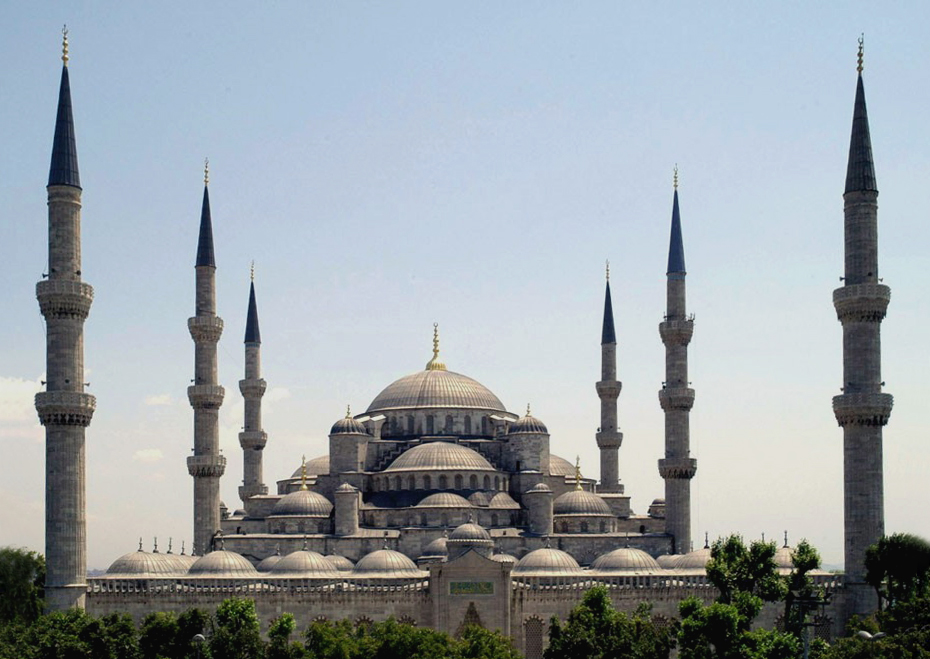
Directly nearby, the Blue Mosque is one of Istanbul’s defining structures. The exterior is famous for its profile and multiple minarets, but the real emotional impact often comes from the sense of symmetry and calm you feel as you enter. Dress modestly, respect prayer times, and treat the visit as a cultural space rather than a photo set. When you do, the experience becomes far richer.
After visiting these two landmarks, take a slow walk across Sultanahmet Square. This is one of the best places to calibrate your pace for the city. Istanbul rewards travelers who move with intention instead of urgency.
Topkapi Palace: The Ottoman World in One Complex
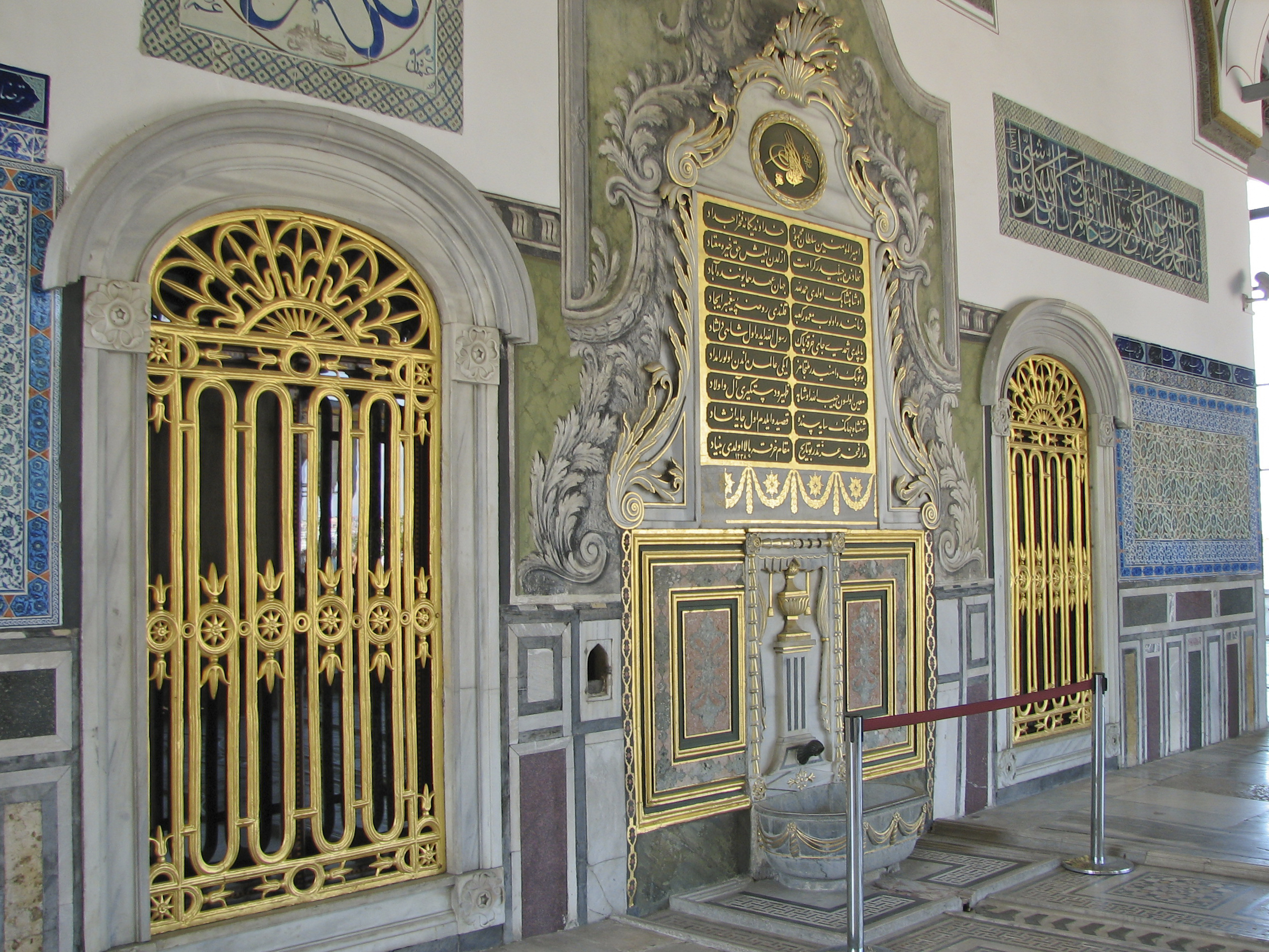
Topkapi Palace is not a single building. It is a complex that reveals how power was organized, displayed, and protected. Walking through its gates and courtyards gives you a sense of how the Ottoman court functioned, how ceremonial life was structured, and how aesthetics were used to communicate authority.
Do not rush Topkapi. It is easy to underestimate how much time you will want here, especially if you enjoy details—tile work, calligraphy, decorative patterns, and views out toward the water. Aim for a morning or early afternoon visit, and plan to take short breaks inside the complex so the experience does not become visually exhausting.
The Grand Bazaar: A City Within the City

No list of what to do in Istanbul is complete without the Grand Bazaar. It is one of the most famous markets in the world, but it is more than a shopping destination. It is a living system of craft, negotiation, tradition, and tourism, all happening at once.
Go in with the right mindset. The Grand Bazaar is not about “finding the perfect deal” in five minutes. It is about exploring, comparing, and enjoying the performance of commerce. Move slowly. Let yourself get a little lost. If you want a calmer experience, visit earlier in the day, and remember that bargaining is part of the culture—polite, patient, and usually expected.
If you are buying gifts, focus on items that connect to Istanbul’s visual identity: ceramics, textiles, small decorative pieces, or spice blends you can use at home. The best purchases tend to be the ones that carry the memory of place, not the ones that try to impress with price alone.
Bosphorus Time: See Istanbul from the Water

A Bosphorus cruise is one of the smartest “reset buttons” in Istanbul. The city can feel intense at street level—traffic, crowds, and constant stimulation—so stepping onto the water changes the rhythm immediately. The shoreline reveals palaces, mosques, residential districts, and the physical geography that makes Istanbul so dramatic.
You do not need to overthink the cruise. A short ferry-style trip can be just as satisfying as a longer tour if your goal is to experience the city’s scale and skyline. If you can time it near late afternoon, the light often makes the experience more cinematic and the photographs more natural.
After the cruise, consider walking along the waterfront or stopping at a café for a slow drink. In Istanbul, the most memorable moments often happen between the “big sights,” when you give the city time to speak.
Galata & Beyoğlu: Istanbul’s Urban Energy

Once you have the historic core in your memory, shift into a different Istanbul—more urban, more contemporary, and full of street-level texture. Galata and Beyoğlu deliver that change. The streets are dynamic, and the vibe is more European in architecture, cafés, and nightlife patterns.
Galata Tower is the neighborhood’s landmark and a strong visual anchor when you are navigating the area. Even if you do not go up, it is worth seeing in person because it helps you understand the city’s layered architectural story. The real win here, however, is wandering the streets around the tower: small shops, hidden corners, and the feeling that the neighborhood is constantly reinventing itself.
From Galata, it is natural to drift toward the broader Beyoğlu area. This is where you will find a strong café culture, modern restaurants, late-night energy, and a pace that feels different from Sultanahmet. If you want the Istanbul that locals experience after work, this part of the city is where you begin.
Cross to the Asian Side for Perspective
One of Istanbul’s most unique advantages is the ability to move between continents in a short ride. Crossing to the Asian side is not a “tourist extra.” It is a strategic move if you want to understand the city more honestly. The atmosphere often feels more local, more relaxed, and less centered around headline attractions.
Pick an area that feels walkable, spend time in local cafés, and observe the difference in daily life. Even a few hours on the Asian side can change the way you think about Istanbul, because it reframes the city as a lived place rather than a museum of monuments.
Eat Like You’re in Istanbul, Not Just Visiting It
Istanbul’s food scene is a major part of the travel experience, but the smartest approach is not to chase hype—it is to follow patterns. Street food, casual bakeries, and local restaurants often deliver the most authentic value. The city’s culinary identity sits at the intersection of regional Turkish traditions and the influence of trade routes that once made this city a global center.
Start with simple things done well: fresh bread, seasonal ingredients, grilled flavors, and warm hospitality. A good rule is to prioritize places that are busy with locals, especially at peak meal times. If a small restaurant is full, there is usually a reason.
Build your meals around variety rather than volume. Istanbul is a city where you can eat smaller portions throughout the day—something warm in the morning, something savory mid-day, and a stronger dinner in the evening. That rhythm fits the city’s energy and prevents you from losing half your day to recovery after a heavy meal.
Take a Real Break: Turkish Tea Culture

If you want to travel Istanbul like a strategist, you need planned pauses. Turkish tea is one of the best ways to do that. It is not just a drink; it is a cultural pace-setter. A tea break creates a moment of stillness that lets the city’s intensity become enjoyable rather than exhausting.
Use tea stops as transitions. After a big landmark, after a market session, or before heading out at night, a tea break resets your focus. It also places you in the everyday social flow of the city, where conversation and time matter just as much as what is on the table.
Practical Timing: How to Make 3–4 Days Feel Effortless
To get the best Istanbul experience in a short trip, structure your days around geography. Keep Sultanahmet-focused sightseeing together. Keep Galata/Beyoğlu together. Give the Bosphorus its own space in the day, because it works best as a rhythm change. If you attempt to bounce across districts repeatedly, the city’s scale will turn your itinerary into logistics.
Also, plan at least one “open” window where you are not chasing a landmark. Use that time to wander, shop slowly, sit in a café, or follow curiosity. Istanbul is a city where spontaneity often becomes the story you remember most.
Final Thoughts
What to do in Istanbul depends on your travel style, but the formula for a high-quality trip is consistent: start with the historic core, add the Bosphorus, explore Galata and Beyoğlu for modern texture, cross to the Asian side for perspective, and let food and tea culture shape your pace. When you travel Istanbul with balance, the city feels less like a checklist and more like an experience that stays with you.
In the end, Istanbul delivers something rare: the feeling that history is not behind glass, but still present in the streets, in the skyline, and in the way people live. Give it time, and it will give you depth.