
Traditional Greek Food: Discover Authentic Cuisine in Greece
Greek cuisine is one of the oldest and most influential culinary traditions in the world. Rooted in Mediterranean ingredients, regional diversity, and centuries of cultural exchange, traditional Greek food reflects simplicity, freshness, and balance. Whether you are visiting Greece for the first time or exploring its gastronomy more deeply, understanding authentic Greek dishes will elevate your travel experience.
Greek food is not only about recipes. It is about family gatherings, long meals, local ingredients, and hospitality. In Greece, a table is rarely “just food.” It is conversation, warmth, and the feeling that you are welcome. Below are the essential traditional dishes that define Greece’s culinary identity and the flavors you should prioritize if you want a truly authentic experience.
Moussaka

Moussaka is one of the most iconic traditional Greek dishes. It is typically built in layers, with eggplant as the base, a rich minced meat sauce in the middle, and a smooth béchamel topping baked until golden. The result is comforting, flavorful, and deeply satisfying, making it a staple in tavernas across the country.
What makes moussaka distinctly Greek is the balance between the savory meat sauce and the creamy béchamel, along with the way the dish is assembled and baked as a cohesive, structured meal. It is often served as a hearty main course, especially in family-style restaurants where recipes are passed down through generations.
Souvlaki

Souvlaki represents the essence of Greek street food and everyday life. Small pieces of marinated meat, most commonly pork or chicken, are grilled on skewers and served either as a plate with sides or wrapped in pita bread with tomatoes, onions, and sauces. It is fast, affordable, and reliably delicious, which is exactly why it remains a daily choice for locals.
In Athens and Thessaloniki, souvlaki culture is part of the city rhythm. Shops operate from midday through late night, and the experience is as much about the atmosphere as the meal. When done well, souvlaki is simple perfection: clean grilling, balanced seasoning, and high-quality meat.
Greek Salad (Horiatiki)

The traditional Greek salad, known as Horiatiki, is an iconic expression of Mediterranean simplicity. It is built around tomatoes, cucumbers, onion, olives, olive oil, oregano, and a thick slice of feta cheese. Authentic Greek salad is not about complicated preparation. It is about ingredient quality.
A great Horiatiki depends on seasonal tomatoes, real feta, and excellent extra virgin olive oil. It is served in almost every taverna in Greece, and it is one of the best ways to understand how Greek cuisine treats fresh produce with respect and restraint.
Tzatziki

Tzatziki is a yogurt-based dip and sauce made with cucumber, garlic, olive oil, and herbs. It is served alongside grilled meats, used inside pita wraps, or enjoyed as part of a meze table. The flavor profile is refreshing and sharp, designed to balance richer dishes and elevate simple bites of bread or meat.
In Greece, tzatziki is rarely treated as just a “side.” It is a core piece of the dining experience and one of the most recognizable components of traditional Greek cuisine.
Spanakopita

Spanakopita is a traditional Greek pie made with spinach, feta cheese, herbs, and layers of crisp filo pastry. It can be served as a snack, breakfast item, or even a full meal depending on portion size. The contrast between the flaky pastry and the soft, salty filling is exactly what makes spanakopita so addictive.
Across Greece, you will find regional variations with different greens, different cheeses, and different thicknesses of filo. In many homes, spanakopita is a signature dish that reflects family tradition and local identity.
Dolmadakia (Stuffed Vine Leaves)

Dolmadakia are vine leaves stuffed with rice, herbs, and often lemon. Some versions include minced meat, but the classic meze-style dolmadakia are typically vegetarian. They are aromatic, slightly tangy, and designed to be eaten slowly, usually as part of a shared table.
This dish reflects Greece’s agricultural heritage and the Mediterranean tradition of using herbs and acidity to create layered flavor without heaviness.
Grilled Fish and Seafood

With one of the longest coastlines in Europe, Greece has a deep relationship with seafood. Grilled fish is among the most traditional and respected dishes you can order, especially in coastal towns and islands. The preparation is usually simple: salt, olive oil, lemon, and clean grilling. The goal is to protect the natural flavor of fresh fish, not hide it.
In seaside tavernas, grilled fish is often paired with salad, bread, and a chilled drink, creating one of the most iconic dining scenes of Greek summer. The best seafood experiences are usually found slightly away from the most touristic waterfront strips, where kitchens focus on freshness and local sourcing.
Baklava
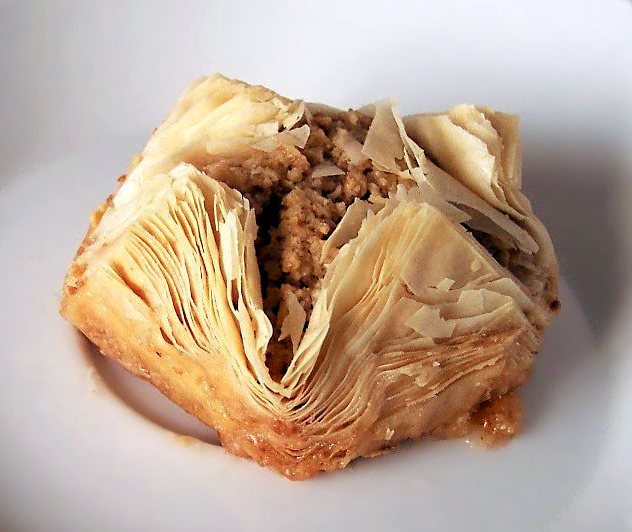
Baklava is one of the most famous desserts in Greece and across the Eastern Mediterranean. It is made with layers of filo pastry, nuts, and sweet syrup or honey. In Greece, baklava is often associated with celebrations, family meals, and the traditional pastry shops found in every city.
The best baklava is about texture and balance. The filo must be crisp, the nut filling aromatic, and the sweetness controlled so the dessert remains rich but not overwhelming.
The Culture of Greek Dining
Traditional Greek food is inseparable from Greek hospitality. Meals are shared, plates are placed in the center, and the table becomes a social event. The concept of meze encourages variety and conversation, while long lunches and late dinners reflect the relaxed rhythm of Greek life.
If you want authentic experiences, choose family-run tavernas where the menu is based on seasonality and local ingredients. Greek cuisine shines most when it is simple, honest, and made with care.
Final Thoughts
Traditional Greek cuisine is built on quality ingredients, simple technique, and strong cultural identity. From moussaka and souvlaki to fresh seafood and sweet baklava, Greek food offers a powerful way to understand Greece beyond the landscapes and landmarks.
If you want to truly experience the country, start with the table. In Greece, food is not just nourishment. It is tradition, connection, and the fastest path to feeling like a local.